
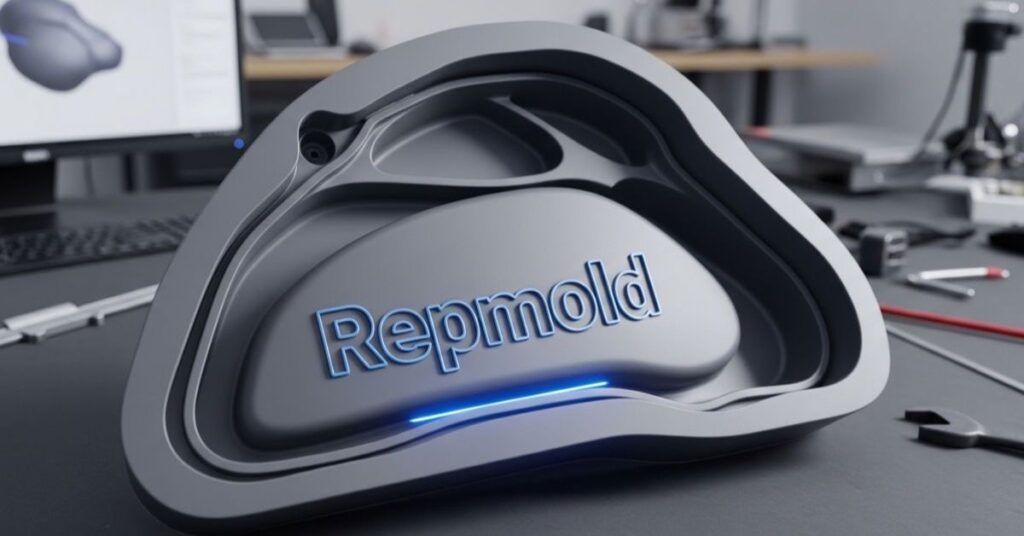
Repmold technology is making waves in the manufacturing world, but what exactly is it? This cutting-edge approach to moulding materials has transformed how products are designed and produced. With its innovative techniques, Repmold not only streamlines production processes but also enhances product quality. As industries race to adopt this game-changing technology, understanding its mechanics and applications becomes essential for businesses looking to stay competitive.
Whether you’re an industry veteran or just starting your research into advanced manufacturing technologies, this deep dive will illuminate the ways Repmold can revolutionise your operations. From automotive parts to medical devices, the versatility of Repmold opens up a world of possibilities that could redefine efficiency and creativity in production. Let’s explore the inner workings of Repmold technology and discover why it’s becoming a staple across various sectors.
The Mechanics of Repmold Technology
Repmold technology operates on a fascinating principle. It combines advanced materials with precise manufacturing techniques to create complex shapes and designs. The process begins with a digital model, which is then transformed into a mould using cutting-edge software.
Once the mould is ready, liquid materials are injected under high pressure. This allows for intricate detailing that traditional methods struggle to achieve. As the material cools and solidifies, it takes on the exact shape of the mould.
What sets Repmold apart is its adaptability. Various polymers can be utilised depending on application needs—ranging from soft-touch finishes to robust structural components.
The precision involved minimises waste and enhances efficiency in production lines. This means fewer resources are spent while achieving superior quality products, making it an appealing choice for many manufacturers today.
Advantages and Limitations of Repmold Technology
Repmold technology offers several advantages that make it appealing for manufacturers. One of the most notable benefits is its efficiency in producing complex geometries. This precision can significantly reduce waste during production, saving both materials and costs.
Another key advantage lies in its versatility. Repmold can work with various materials, allowing companies to tailor processes according to specific project requirements. This adaptability opens doors to innovation across different sectors.
However, there are limitations as well. The initial setup costs can be high, which may deter smaller businesses from adopting this technology immediately. Additionally, while Repmold excels at creating intricate designs, it may not always be the best choice for simpler components where traditional methods could suffice.
The learning curve associated with mastering Repmold technologies can pose challenges for teams unfamiliar with advanced manufacturing techniques.
Applications of Repmold Technology in Various Industries
Repmold technology is making waves across multiple industries, demonstrating its versatility and effectiveness. In automotive manufacturing, it streamlines the production of complex parts with precision and speed. This results in lower costs and enhanced quality control.
The aerospace sector also benefits greatly from this innovation. Lightweight components crafted through RepMold enhance fuel efficiency while maintaining structural integrity.
In consumer electronics, companies use RepMold to create intricate designs that elevate user experience. The ability to mold various materials enables manufacturers to innovate continuously without compromising on performance.
Medical devices have seen significant advancements as well. Customized implants produced with RepMold technology ensure better fit and functionality for patients.
Even the construction industry embraces this method for producing durable building materials that stand up to environmental challenges. It’s clear that RepMold’s applications are diverse and transformative across sectors.
Case Studies: Real-Life Examples of Successful Implementation of Repmold Technology
One standout example of successful Repmold technology implementation is in the automotive industry. A leading car manufacturer adopted this method to produce complex components with high precision. The result? A significant reduction in production time and costs while enhancing product quality.
In consumer electronics, another company utilized Repmold for manufacturing smartphone casings. By employing this technology, they achieved intricate designs without compromising durability. This innovative approach allowed them to stand out in a competitive market.
The aerospace sector has also seen remarkable benefits from Repmold technology. An aircraft parts supplier used it to fabricate lightweight components that meet stringent safety standards. This not only improved fuel efficiency but also reduced overall production weight.
These examples illustrate how diverse industries leverage Repmold technology’s capabilities, driving innovation and efficiency across various applications.
Future Possibilities and Developments in the Field of Repmold Technology
The future of Repmold technology looks promising, with continuous innovation on the horizon. As industries push for greater efficiency and sustainability, advancements in materials science will likely play a pivotal role.
Researchers are exploring eco-friendly alternatives to traditional molding compounds. This shift could significantly reduce environmental impact while enhancing product quality.
Integration with smart manufacturing systems is another exciting avenue. The use of AI and machine learning can optimize the molding process, predicting potential issues before they arise.
Additionally, 3D printing technologies might merge with Repmold techniques. This combination could revolutionize custom mold production by allowing rapid prototyping and reduced lead times.
As these developments unfold, we may see Repmold technology becoming even more versatile across various sectors like automotive, aerospace, and consumer goods. Emerging possibilities indicate a dynamic evolution that aligns closely with modern industrial needs.
Conclusion
Repmold technology represents a significant advancement in manufacturing and design processes. Its innovative approach streamlines production, reduces material waste, and enhances product quality. As industries evolve and embrace this technology, the possibilities for customization and efficiency only expand.
The advantages of Repmold are evident across various sectors, from automotive to aerospace. Companies utilizing this technology have reported not just cost savings but also improved turnaround times and increased competitiveness in their markets.
As we look toward the future, ongoing research and development promise even greater enhancements in Repmold capabilities. The integration of advanced materials and automation could redefine how products are made, pushing boundaries further than ever before.
For businesses considering an upgrade to their production methods or those seeking novel solutions to complex problems, exploring Repmold technology might be a step worth taking. With its proven track record and vast potential applications, it stands as a beacon for innovation in today’s fast-paced world of manufacturing.